

I help type A girlies take back control of their fertility
Eat Your Way To Fertility
The fertility cookbook for women who'd rather have a plan than be told to relax. No elimination diets, no cupboard of supplements — just what the evidence supports. Comes with a set of affirmation cards.
Accredited practising dietitian · As seen in Harper's Bazaar
I'm Ami, an Aussie Dietitian based in Singapore. During my own struggle to conceive I went deep into the the research on fertility and nutrition, and what I found changed how I ate, and eventually how I practise.
Eat Your Way To Fertility is where all of that ended up, 85+ recipes, and a 50-page guide to what the evidence actually says about food and getting pregnant. Every copy comes with a set of affirmation cards.
It's for people who'd rather understand the reasoning than be handed another list of foods to cut out. With stock in Singapore and Australia, shipping is free. Everywhere else is a flat fee of $12 USD.
Featured in







For the self-confessed perfectionist who thought they'd be pregnant by now
What's actually inside the cookbook
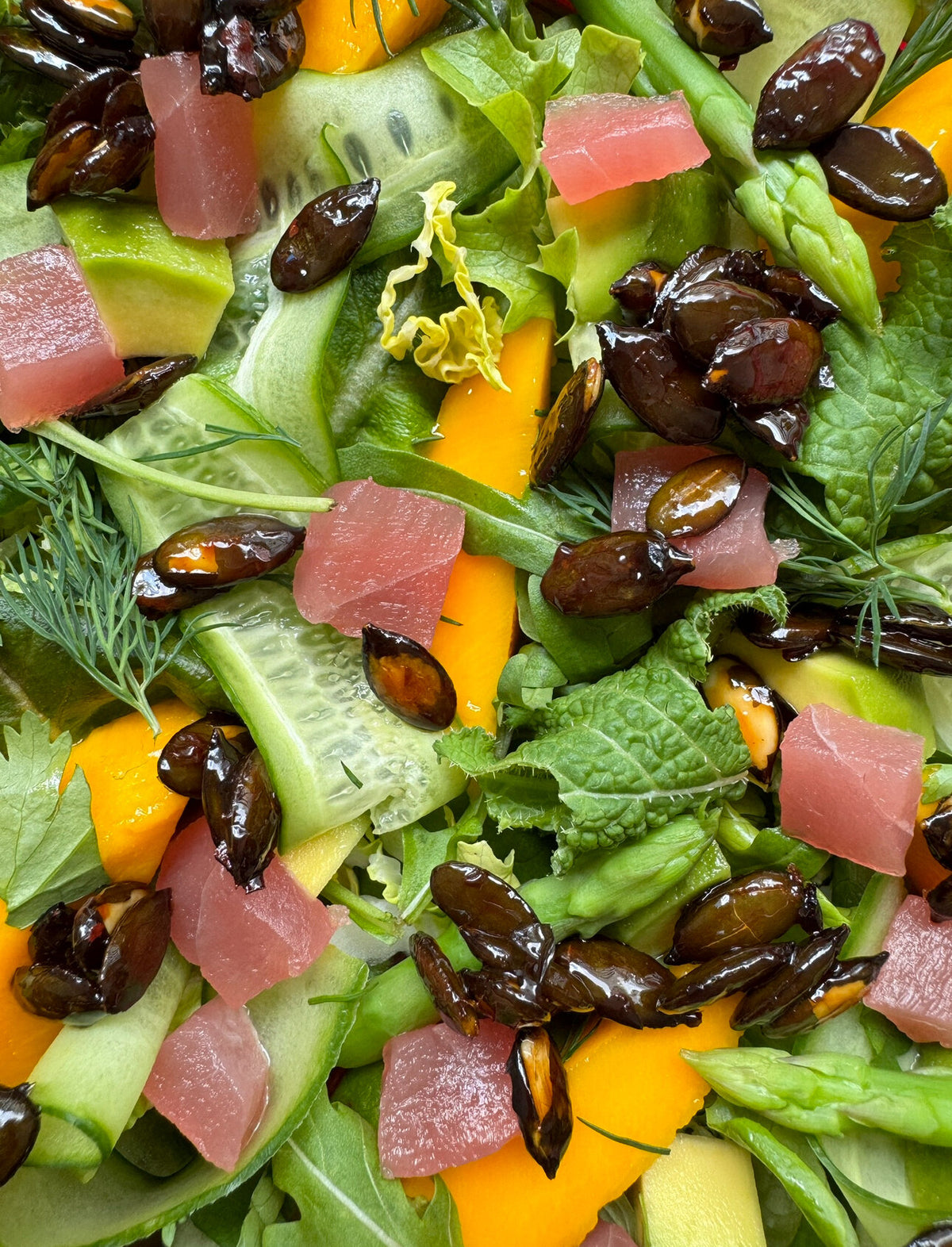
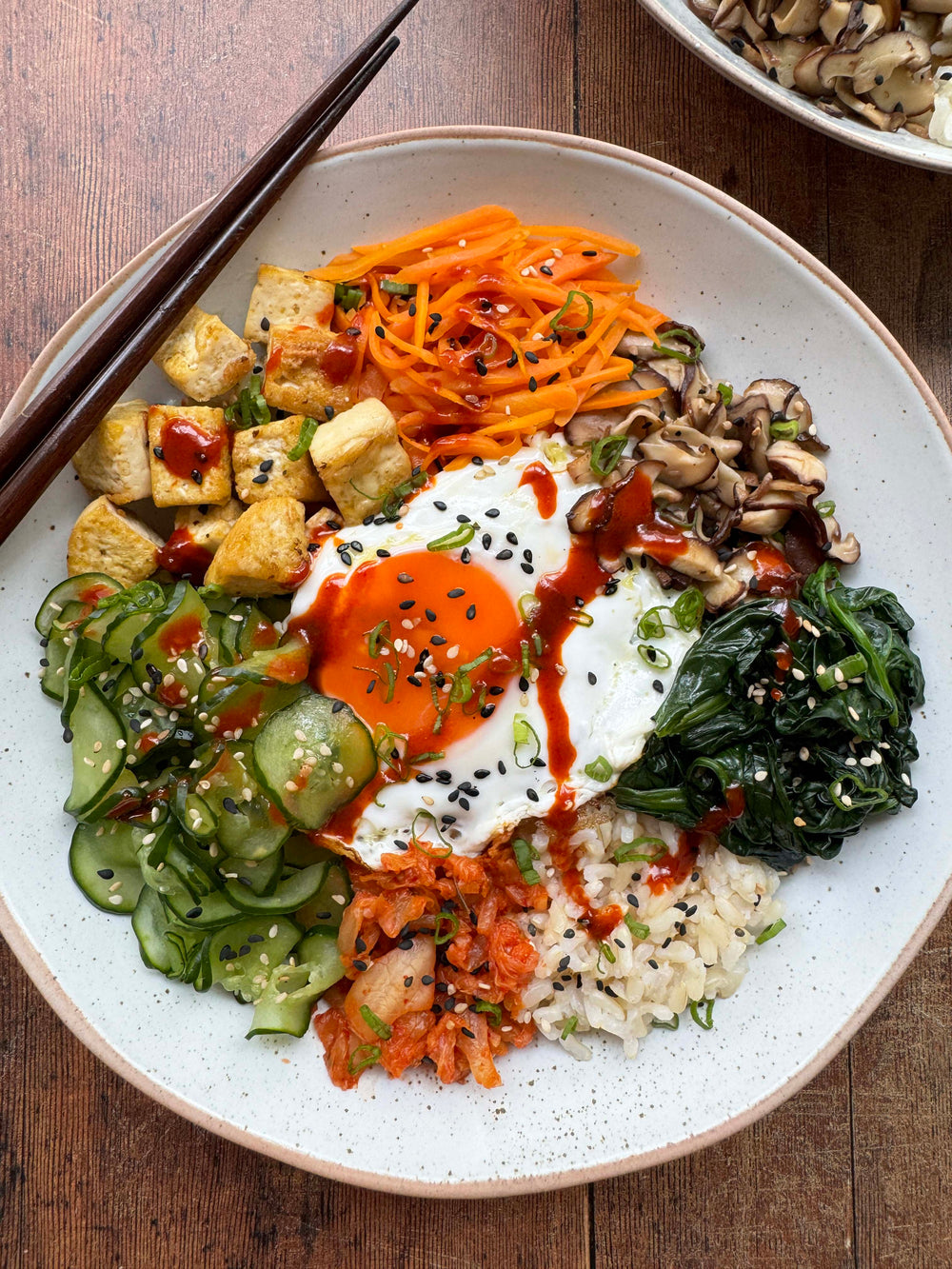
85+ recipes built around the foods that actually have evidence behind them for egg quality, ovulation and cycle regularity. Real dinners you'll cook on a Tuesday — not a fortnight of sad salads you'll abandon by day four.
And a 50-page guide, in plain English, to what the research supports, what it doesn't, and which of the advice you've been given you can safely ignore. That last part is usually the relief.
Every copy comes with a set of affirmation cards — for the days when the science isn't the part you need.
I love this. I look at it every time I go to the fridge.
Sarah, Ireland
Recipes85+
Nutrition guide50 pages
Extent248pp flexibound
IncludedAffirmation cards
What readers say
From people who've cooked from it
You’ve put it very succinctly, like a systematic review. Oh man — you’ve really got me craving salads now.
Kristen, Singapore
It’s informative but also has a really positive and hopeful undercurrent. I can see it being something I lend to family and friends in the future as they embark on their TTC journeys.
Jessica, Melbourne
We’ve just sat down and read through everything together — your research is incredible. Consensus is that we’re doing very well already, but we’re upping nuts and seeds and fermented foods.
Faye, Singapore
Straight from the inbox
Meet your fertility expert
Hi, I'm Ami.
I started Foodbaby after my own struggles to start a family. I'm an Accredited Practising Dietitian specialising in fertility nutrition, and now, mumma to two beautiful rainbow babies.
I've been where you are and remember the heartbreaking cycle of hope and disappointment, so I'll do whatever I can to help you take back control.

Common questions
Fertility nutrition, answered
Does diet actually affect fertility?
Yes, and I’ll be honest about how much. Nothing you eat will override a blocked tube or a sperm issue. What diet does affect is ovulation, cycle regularity and egg quality, mostly through blood sugar and insulin. That’s a real lever — and it’s one of the very few in this whole process you get to pull yourself. When so much of trying to conceive happens to you, that matters more than the effect size alone suggests.
Do I need to cut out dairy, gluten or soy while trying to conceive?
Almost certainly not. Unless you have coeliac disease or a diagnosed intolerance, there’s no good evidence that cutting dairy, gluten or soy helps you conceive. Soy is the one I’m asked about most, and the fear largely traces back to a misreading of some very old animal studies — moderate whole-food soy is fine. What cutting things out reliably does is shrink the variety in your diet, which is the opposite of what fertility nutrition is actually about.
What should a fertility supplement contain?
Folate, in an active form, ideally started a few months before you’re trying. That one is genuinely well supported. After that the evidence gets much thinner than the marketing does, and I’ve read a lot of labels charging a lot of money for ingredients doing very little. If you want the whole checklist, the free guide walks through the six things I’d look for before you spend anything.
How long does it usually take to conceive?
For couples under 35 with nothing else going on, around half conceive within six months and roughly 80% within a year. Age shifts that more than any other single factor. The number I’d actually hold onto: if you’re under 35 and it’s been twelve months, or over 35 and it’s been six, that’s the point to get investigated rather than keep waiting. Waiting too long is the thing I most often wish people hadn’t done.
Is this book suitable if I’m doing IVF?
Yes, and plenty of my readers are. Egg quality and metabolic health matter whichever route you’re on — naturally, IUI or IVF. The book sits alongside your clinic’s protocol rather than replacing any part of it, and there’s nothing in it designed to conflict with treatment. If you’re mid-cycle and unsure about something specific, check with your specialist.
Where does it ship, and how long does it take?
Everywhere. I keep stock in Singapore and Australia, so orders in those two countries ship domestically — free, and fast. Singapore usually lands in 2–3 days via SingPost, Australia within 3–5 business days.
Everywhere else is a flat $12 USD by courier from Singapore, usually under a week. No calculator, no nasty surprise at the last step — it’s $12 whether you’re in London or Los Angeles.

Free guide
5 evidence-based ways to boost your fertility this cycle
Not "reduce stress". Not "eat a balanced diet". Five specific things you can start this cycle, each with the research behind it — including the six things your supplement should contain, and usually doesn't.
Written by an accredited practising dietitian · Unsubscribe any time